
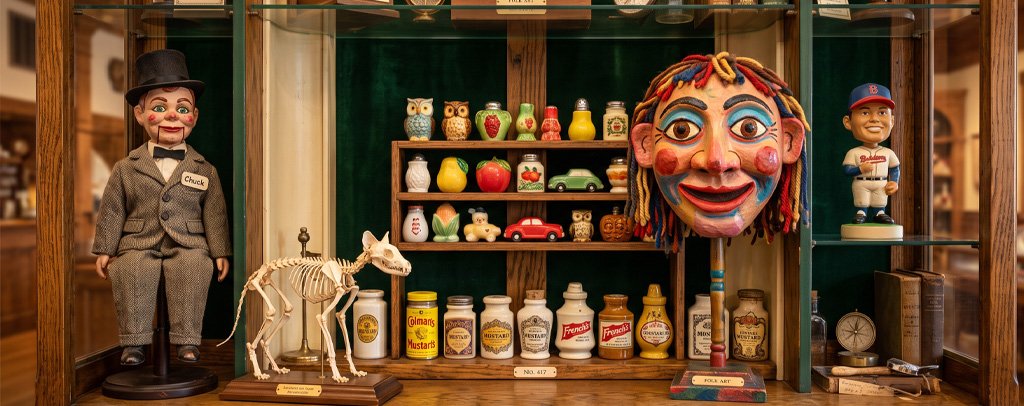
Some collections start with a spare shelf. These ended up needing a whole museum. From a barn full of giant puppets to thousands of mustard jars, America’s strangest museums make a convincing case for following your curiosity through the front door. Each of these ten museums gives you something wonderfully specific to talk about on the drive home.
1. Vent Haven Museum Fort Mitchell, Kentucky
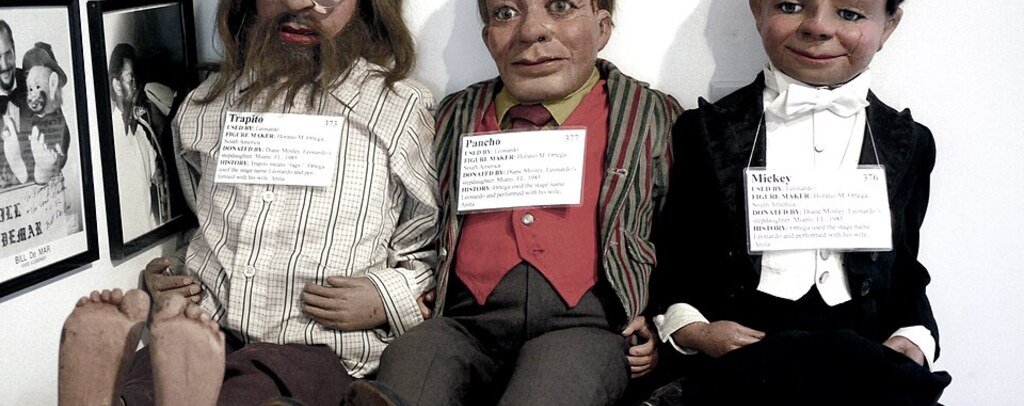
More than 1,400 ventriloquist figures have found a home at Vent Haven. Some once shared stages with famous performers; others are handmade characters with worn paint and wonderfully peculiar faces. Taken together, they make quite a crowd for a room where nobody is doing the talking.
Collector William Shakespeare Berger spent decades gathering the figures, along with scripts, photographs, and other pieces of ventriloquism history. Visits are guided and generally require advance reservations during the operating season, so this is one stop to arrange before you arrive.
2. National Mustard Museum Middleton, Wisconsin
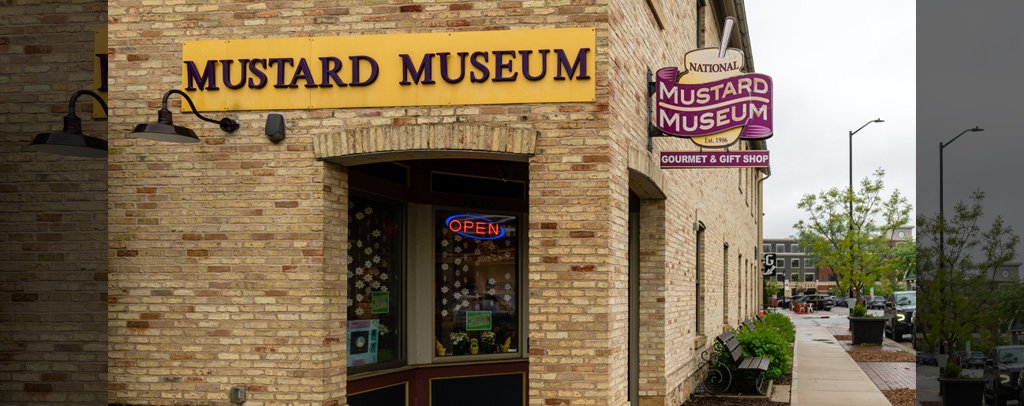
A bad night for the Boston Red Sox turned into a very good thing for mustard enthusiasts. After the team lost the 1986 World Series, Barry Levenson wandered into a supermarket and found a new calling in the mustard aisle.
His collection eventually became a museum with more than 7,000 mustards from all 50 states and over 70 countries. Old advertisements, containers, and displays give the condiment its moment in the spotlight. Admission is free, and the tasting area gives you a chance to find something for your next sandwich.
3. International Cryptozoology Museum Bangor, Maine
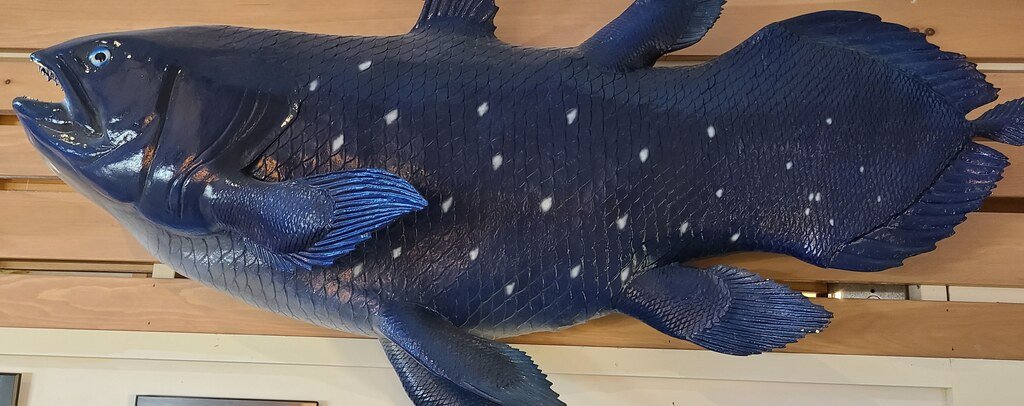
Alleged Bigfoot hair and mysterious footprint casts share space with monster sculptures and a life-size coelacanth model. Loren Coleman’s collection follows the creatures people keep reporting, searching for, and arguing about, with room for hoaxes and pop culture along the way.
Bring your curiosity and your skepticism. These exhibits explore cryptid stories; they do not settle the Bigfoot question. The museum moved into its new home at 490 Broadway in Bangor in June 2026, a useful detail if an older address has found its way onto your itinerary.
4. Salt & Pepper Shaker Museum Gatlinburg, Tennessee
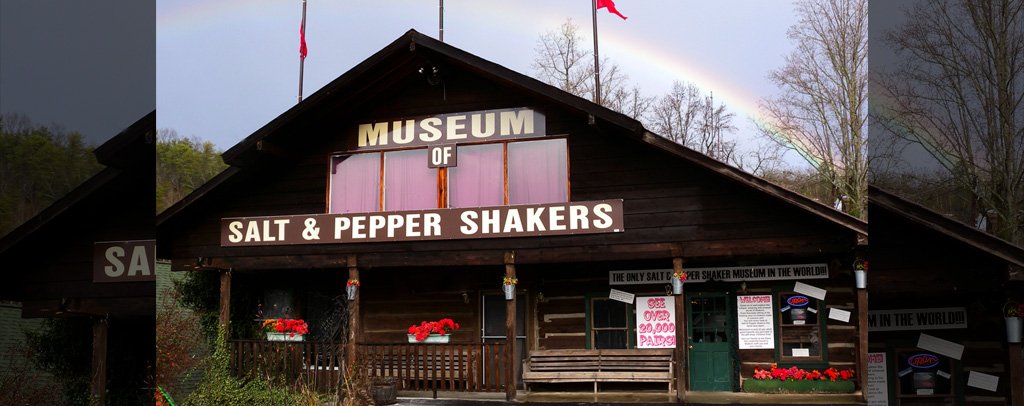
Your kitchen probably manages with one set. Gatlinburg’s Salt & Pepper Shaker Museum has more than 20,000. Animals, vehicles, buildings, foods, and tiny people all take a turn at holding the seasonings, alongside a sizeable collection of pepper mills.
The Ludden family’s collection is arranged by themes and materials, making it easy to spot just how many design decisions can go into two little containers. Come for the absurd quantity; stay for the pair that makes you wonder who thought the dinner table needed that.
5. SKELETONS Museum Oklahoma City, Oklahoma
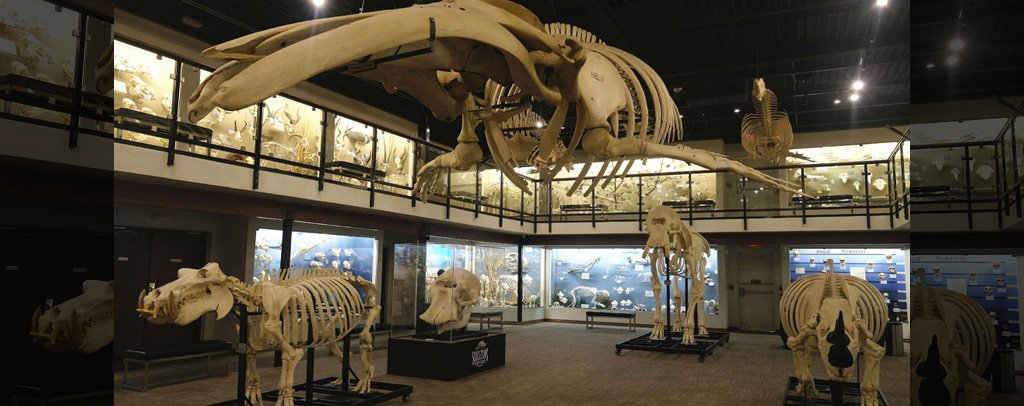
A roughly 40-foot humpback whale skeleton is a persuasive welcome to a museum devoted to bones. More than 500 real skeletons fill SKELETONS Museum, letting you compare animals from around the world without fur, feathers, or skin getting in the way.
The displays explore how those frameworks help animals move and adapt. Even familiar species start to look surprising when you can see every bone. You don’t need to know the anatomical vocabulary to enjoy looking from the smallest specimens to that enormous whale and trying to fit them into the same animal kingdom.
6. Klown Doll Museum Plainview, Nebraska
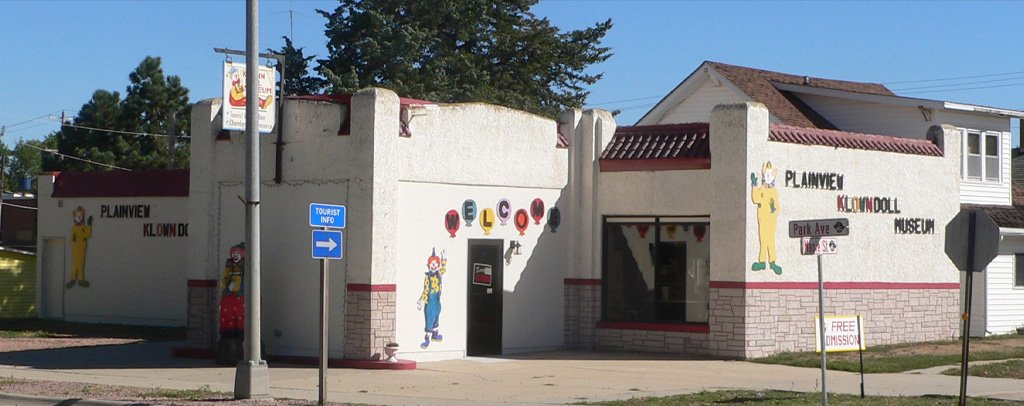
There is no easing into the subject at the Klown Doll Museum. Thousands of clown dolls and figures bring their painted smiles and bright outfits to this small Nebraska town, ranging from tiny collectibles to much larger characters.
Collecting and donations helped build the crowd. Whether the shelves strike you as cheerful or slightly alarming probably depends on your feelings about clowns before you walk in. Admission is free; the regular season runs from Memorial Day to Labor Day, with appointment tours available. Check ahead for a visit outside summer.
7. Mütter Museum Philadelphia, Pennsylvania
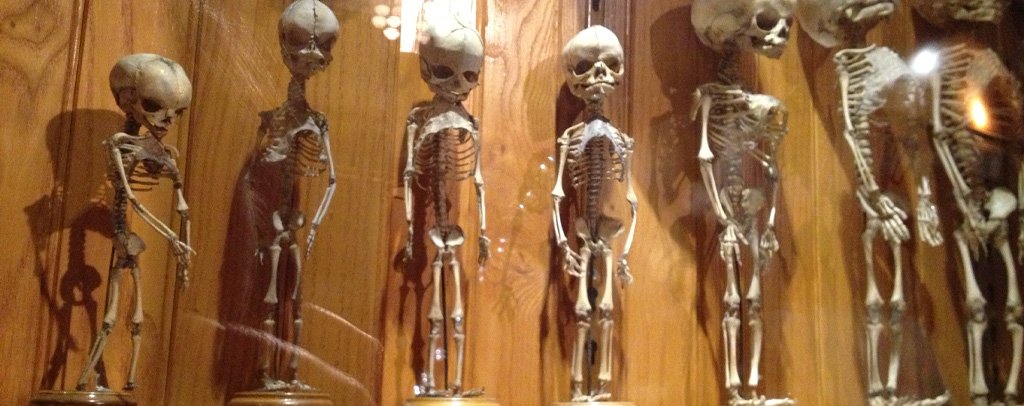
The Mütter Museum is the most sobering stop on this list, and one of the hardest to forget. Human skeletons, preserved anatomical specimens, medical instruments, and wax and plaster models document centuries of efforts to understand the body.
The collection grew from surgeon Thomas Dent Mütter’s nineteenth-century donation to The College of Physicians of Philadelphia. Give yourself time to look closely and read the context: these are real people and real medical histories. Visitors should be comfortable encountering human remains and potentially difficult material.
8. National Bobblehead Hall of Fame and Museum Milwaukee, Wisconsin
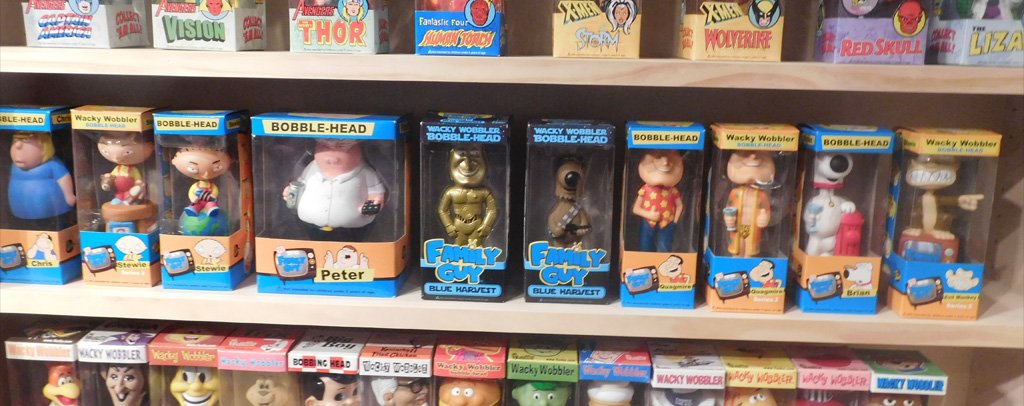
Athletes, mascots, entertainers, politicians, and fictional characters get the spring-neck treatment at the National Bobblehead Hall of Fame and Museum. The collection numbers in the tens of thousands, which is a lot of miniature celebrity for one Milwaukee address.
Co-founders Phil Sklar and Brad Novak began collecting in 2004 and opened the permanent museum in 2019. Cases trace the figures’ history and show just how far the idea can stretch. Spotting a familiar face is fun; spotting someone you never expected to have a bobblehead is better.
9. Bread & Puppet Museum Glover, Vermont
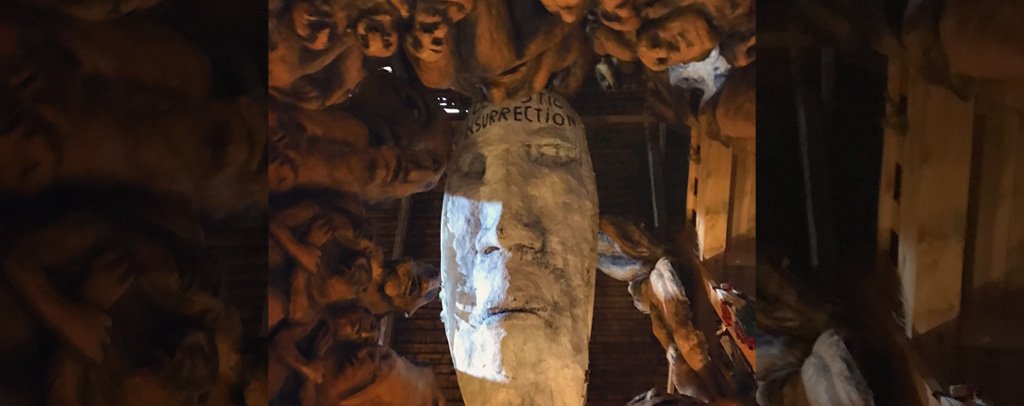
Giant papier-mâché faces peer out from a barn at the Bread & Puppet Museum. Masks, long-limbed figures, and performance props crowd two floors, preserving decades of work by the Bread & Puppet Theater after its move to Vermont in 1974.
Some puppets are human-sized; others tower above visitors. Smaller objects fill the gaps, while larger figures hang from beams and gather in groups. The old dairy-farm barn suits them beautifully: it feels as though an entire cast has finished the show and squeezed backstage, waiting for someone to turn up.
10. Museum of the Weird Austin, Texas
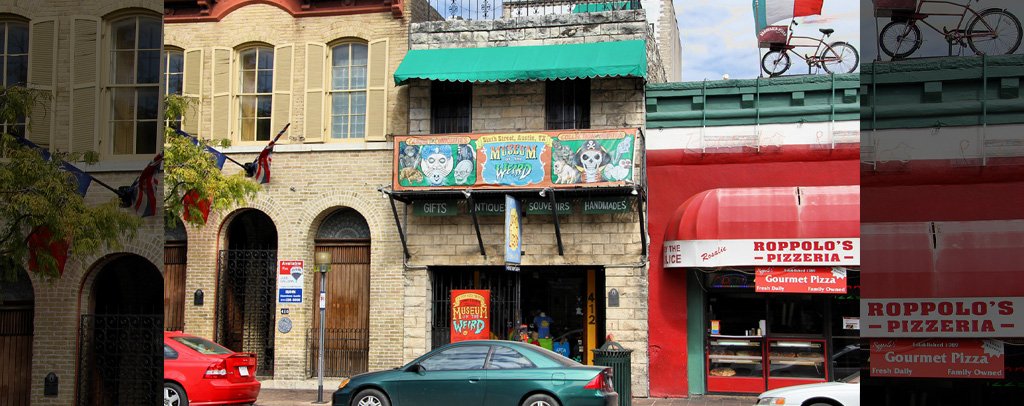
With a name like Museum of the Weird, the promise is fairly clear. Above a Sixth Street shop, mummies, wax figures, strange specimens, and alleged creatures compete for your attention in an attraction inspired by old American dime museums.
This is the sideshow end of the museum spectrum, where carnival imagery and questionable marvels are part of the entertainment. You can enjoy the displays without accepting every mysterious claim. Step inside with an open mind and a raised eyebrow, and let Austin’s fondness for the unusual do the rest.
Ready to make a detour? Follow each museum link to its Oddities Directory entry for visitor information. Check admission, hours, and reservation requirements before heading out, especially for seasonal collections.