

Vermont has a steamboat that will never float away, artwork made from thousands of insects and a dinosaur assembled from scrap lumber. The state’s quiet towns have plenty of surprises once you know where to look.
These five Vermont oddities celebrate determined collectors, imaginative builders and craftspeople who took their skills in unusual directions. A little planning helps, especially for museums with appointment visits and sculptures on private property.
1. Landlocked Steamboat Ticonderoga
Shelburne, Vermont
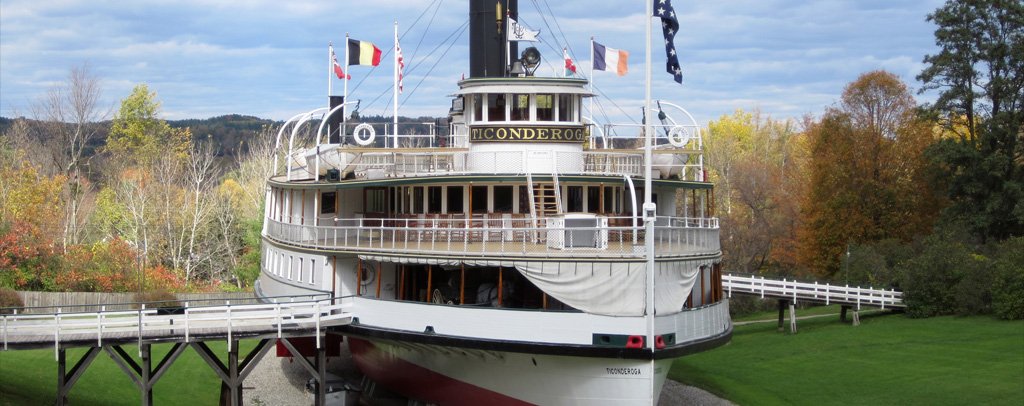
The Ticonderoga is exactly where a steamboat should not be: sitting in a field, roughly two miles from Lake Champlain. At 220 feet long, this is no decorative boat or ship-shaped building. It is the real passenger vessel, brought ashore and preserved at Shelburne Museum.
Built in 1906, the steamer spent decades carrying passengers on the lake. Moving it overland in 1955 was an engineering project on a scale most museums never have to contemplate. Today you can explore its decks, cabins, machinery and public spaces without anything rocking beneath your feet. Shelburne Museum admission is required. Leave time for the ship itself; its size becomes much more impressive when you stand beside it on the grass.
Explore Landlocked Steamboat Ticonderoga in the Oddities Directory
2. John Hampson’s Bug Art
St. Johnsbury, Vermont
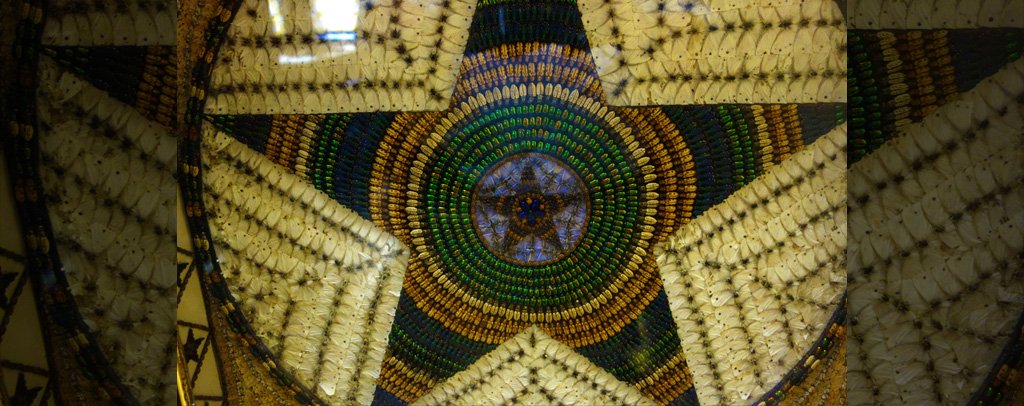
John Hampson’s mosaics are lovely until you get close enough to see the ingredients. Those intricate stars, borders and repeated patterns are made from real insects. Beetles, moth parts and wings become decoration, with thousands of tiny specimens arranged into remarkably orderly designs.
Fairbanks Museum preserves nine of these works, commonly called Bug Art. Individual pieces contain roughly 6,300 to more than 13,500 insects, according to the Directory. North Star, completed in 1887, is among the best-known examples. Take a look from across the room, then move closer for the moment when the pattern becomes something with legs. Museum admission is required, and the art offers a memorable reason to slow down and inspect the details.
Explore John Hampson’s Bug Art in the Oddities Directory
3. Vermontasaurus
Post Mills, Vermont
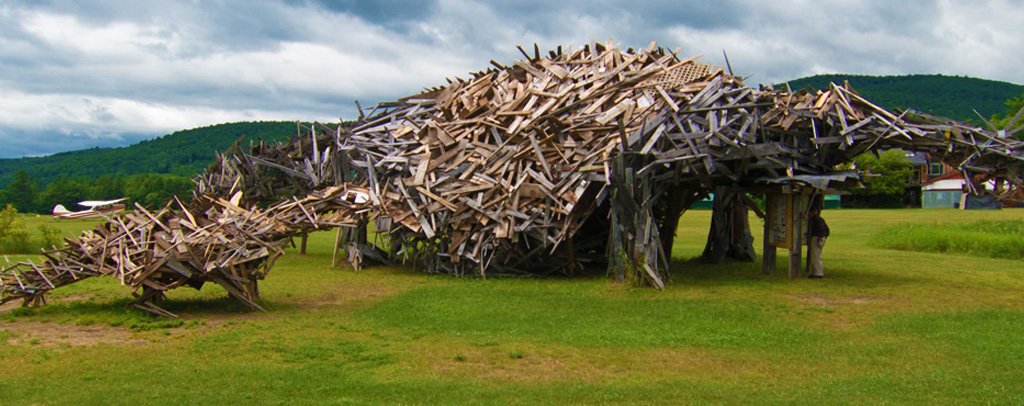
Vermontasaurus looks like someone emptied several old barns and decided the lumber ought to become a dinosaur. The huge skeletal creature sprawls beside the Post Mills airfield, its mismatched boards giving it a wonderfully rough, improvised personality.
Brian Boland and volunteers built the original in 2010 using scrap wood and recycled material. That first version stretched more than a hundred feet and stood about twenty-five feet high. Weather, repairs and rebuilding have kept the sculpture evolving, while a local debate once questioned whether it counted as a building or art. Confirm visitor access before going: it stands on private airfield property. Admire the lumber dinosaur without treating the working airfield as an open park.
Explore Vermontasaurus in the Oddities Directory
4. Hope Cemetery
Barre, Vermont
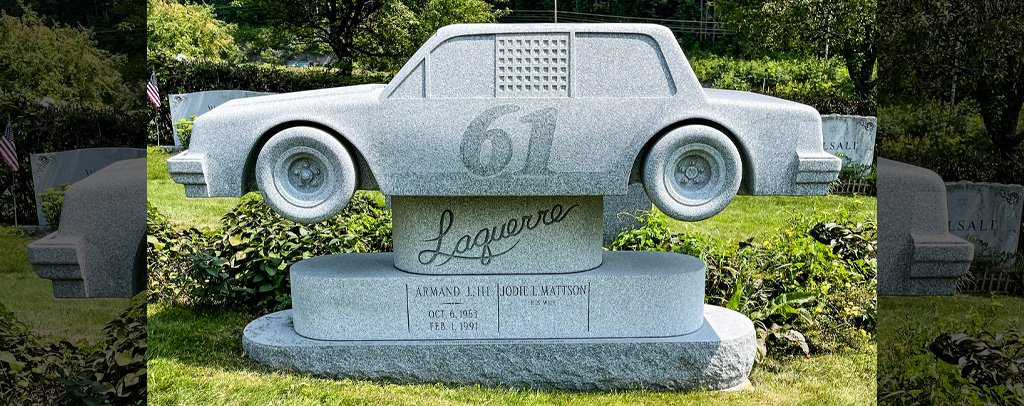
Hope Cemetery tells you a great deal about Barre’s granite workers. They could turn stone into almost anything, and the memorials here include a race car, an easy chair, an airplane and a soccer ball. These are personal tributes shaped by lives and interests, rather than rows of identical markers.
Established in 1895, the cemetery covers roughly 65 acres and holds thousands of monuments. Many were made by local craftspeople whose work helped define the city. A quiet walk reveals both striking skill and intimate stories carved into a famously stubborn material. This is an active place of remembrance, so explore respectfully and give mourners their privacy. The unusual shapes reward attention, but the people being remembered remain the heart of the visit.
Explore Hope Cemetery in the Oddities Directory
5. Main Street Museum
White River Junction, Vermont
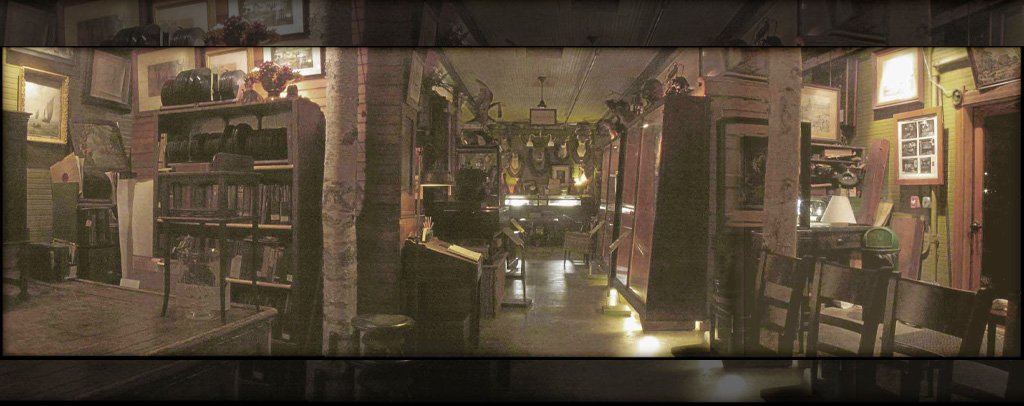
Main Street Museum gives the things people cannot quite categorize a place to stay. Inside a former firehouse, taxidermy, postcards, obsolete devices, local history and peculiar memorabilia share space without much interest in behaving like a conventional collection.
The museum opened in 1992 and holds approximately 10,000 piano rolls among its many objects. That would be a substantial collection on its own; here it is part of a much wider appetite for saving interesting things. The appeal lies in the unexpected combinations and details you might otherwise pass over. Arrange a tour by appointment before visiting. Admission is by donation, and arriving curious is more useful than arriving with a fixed idea of what a museum should contain.
Explore Main Street Museum in the Oddities Directory
Take the curious route through Vermont
Give the Ticonderoga and Bug Art enough time for a museum visit, and arrange Main Street Museum’s appointment in advance. Confirm access at Vermontasaurus and keep Hope Cemetery a quiet, respectful stop. Open the Directory entries for visitor details before leaving, then leave room in the day for a closer look.