
About The Heidelberg Project
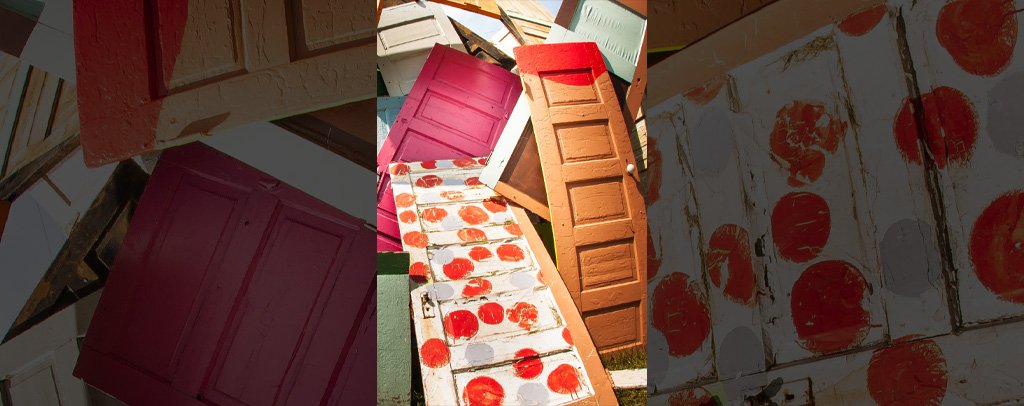
Detroit artist Tyree Guyton began transforming Heidelberg Street in 1986, using abandoned houses, discarded objects, paint, and repetition to turn a struggling neighborhood into an outdoor art environment. Polka dots spread across buildings and pavement, while clocks, shoes, records, stuffed animals, and other everyday objects became parts of larger installations.
The project is unusual because it is not contained inside a museum. It occupies a living city block where art, homes, vacant lots, and neighborhood history overlap. Individual pieces have changed, disappeared, or been rebuilt over the years, so the experience is never completely fixed. That constant evolution is part of its identity.
Visitors can walk the area for free during posted daytime hours. It is an outdoor neighborhood site, so guests should stay on public paths, respect residents, and avoid touching or entering installations unless clearly invited. The result is one of Michigan’s most recognizable examples of art created directly from a place and its discarded materials.