
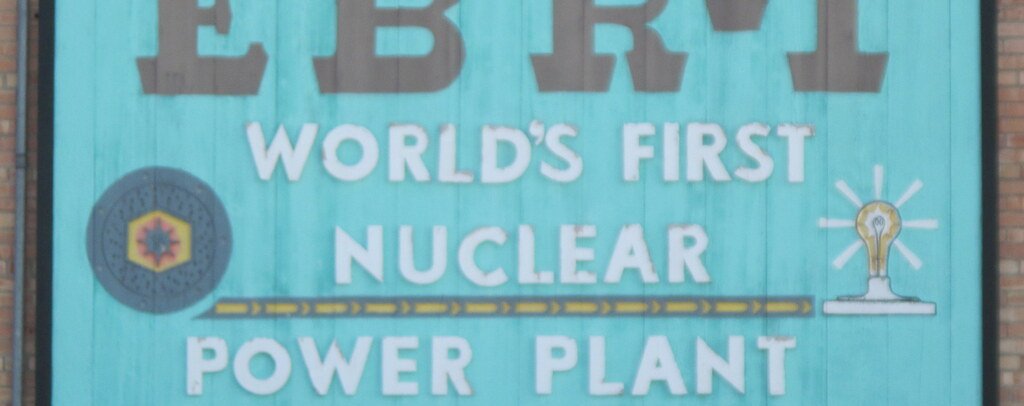
About Experimental Breeder Reactor I
Experimental Breeder Reactor I sits alone in the high desert west of Idaho Falls, looking like an industrial outpost from an early atomic-age film. On December 20, 1951, the reactor produced enough electricity to illuminate four light bulbs. The following day, it generated enough power for the building, making it the first nuclear reactor to produce a usable amount of electricity.
EBR-I was designed to test whether a reactor could create more fuel than it consumed. Its liquid-metal cooling system and compact machinery were experimental even by the daring standards of the period. The facility operated until 1964 and was later designated a National Historic Landmark.
Today the preserved plant is an unusually direct museum experience. Visitors can stand near the original control room, examine thick shielding, trace pipes through the building, and see the equipment used during the reactor’s working life. The machinery remains in place rather than being reduced to photographs behind glass.
The grounds also display two prototype reactors built for an abandoned effort to develop nuclear-powered aircraft. Their presence makes the site feel even stranger, combining the birthplace of commercial nuclear electricity with remnants of a Cold War plan to put a reactor aboard an airplane.
The museum is free and normally operates during the summer season. It lies along U.S. Highway 20, roughly fifty miles west of Idaho Falls and about eighteen miles southeast of Arco. Visitors should check Idaho National Laboratory’s official page for current opening dates and hours before crossing the desert.
EBR-I captures a moment when engineers were still discovering what nuclear power might become. Its banks of analog controls, heavy machinery, and remote setting preserve both the optimism and unease of the atomic age. Few museums allow visitors to walk through a technological milestone that looks this much like a science-fiction set.