
About Big Bone Lick
Big Bone Lick has a name that sounds invented for a roadside attraction, but it is brutally literal. Mineral-rich springs brought salt to the surface, creating a natural lick that drew enormous animals for thousands of years. Mammoths, mastodons, giant ground sloths, ancient bison, stag-moose, and early horses visited the area. Their bones accumulated in the landscape and eventually gave the place its unforgettable name.
The same marshy conditions that attracted animals could also become a trap. Large mammals searching for salt and water entered soft ground around the springs, and some died there. Over immense spans of time, bones were buried and preserved. When people later encountered the oversized remains, the site became one of the most important early fossil localities in North America.
Big Bone Lick helped shape the emerging science of vertebrate paleontology. Fossils collected here were studied by prominent eighteenth- and nineteenth-century thinkers, and William Clark led an organized excavation in 1807 that recovered hundreds of bones and teeth. The site’s scientific importance has since earned both National Natural Landmark and National Historic Landmark recognition.
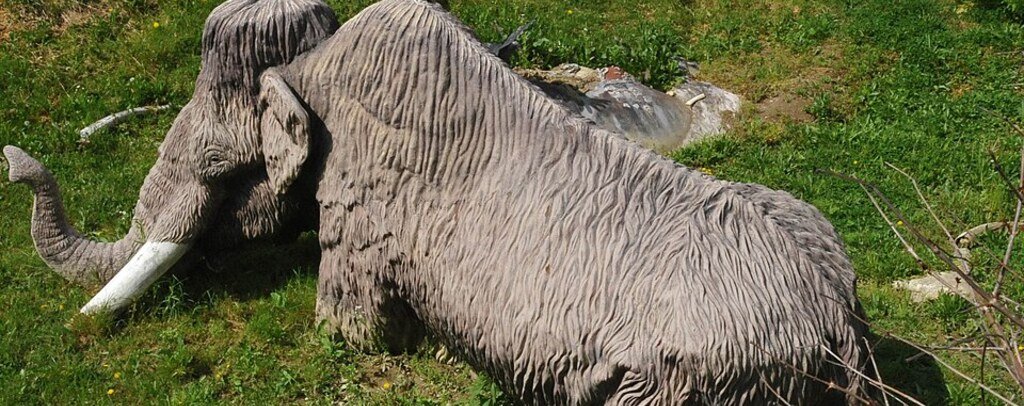
Visitors today can still see active salt springs, museum exhibits, fossils, life-size reconstructions of Ice Age animals, and a modern bison herd. The landscape is not frozen in the past, and temporary closures can affect trails or facilities, so check the official park page before traveling. Even without digging up a mammoth tooth, standing at the salt lick explains why so many enormous animals once gathered in the same muddy place.