
About Kentucky Meat Shower
On March 3, 1876, Rebecca Crouch was outside on her Bath County farm when pieces of something resembling raw meat began dropping from a cloudless sky. Reports described fragments ranging from small bits to pieces roughly the size of a human hand. The shower lasted only minutes, but the story escaped the farm almost immediately and became a national curiosity.
Samples circulated among doctors and scientists, and microscopic examinations produced conflicting identifications of animal tissue. The explanation that has endured most strongly is also unpleasant enough to fit the event: vultures sometimes disgorge food while flying, and a flock doing so together could produce a scattered rain of partially digested meat. It is plausible, but the original event cannot be reconstructed well enough to turn that theory into certainty.
A small specimen preserved in liquid is believed to be the final surviving sample connected to the 1876 shower. In recent years it has been brought back to Bath County for public display, including the 150th-anniversary events in 2026. Modern testing produced DNA fragments that were too degraded for a conclusive identification, although researchers said the closest match was goat.
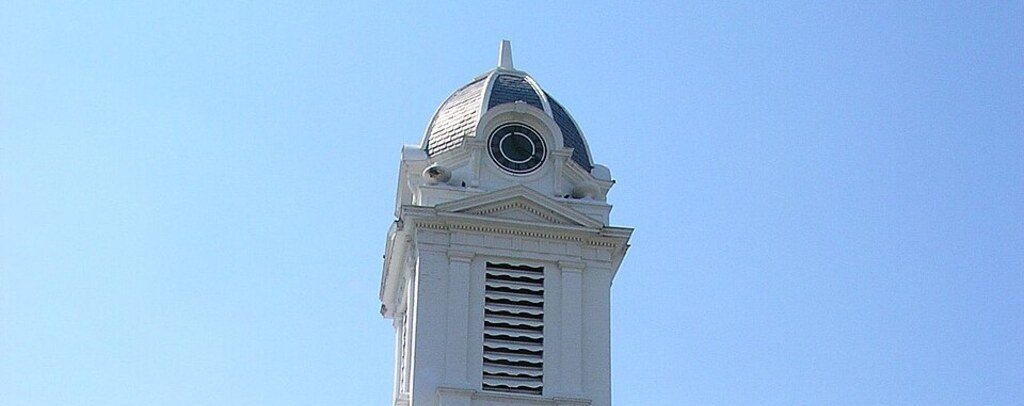
The Bath County History Museum occupies the second floor of the old courthouse in Owingsville and has become a focal point for interpreting the story. The preserved specimen is not guaranteed to be on permanent display, and museum access can be limited. Visitors making a trip specifically to see the Meat Shower material should check current museum and event information first.